


Indigenous Storytelling Festivals Australia

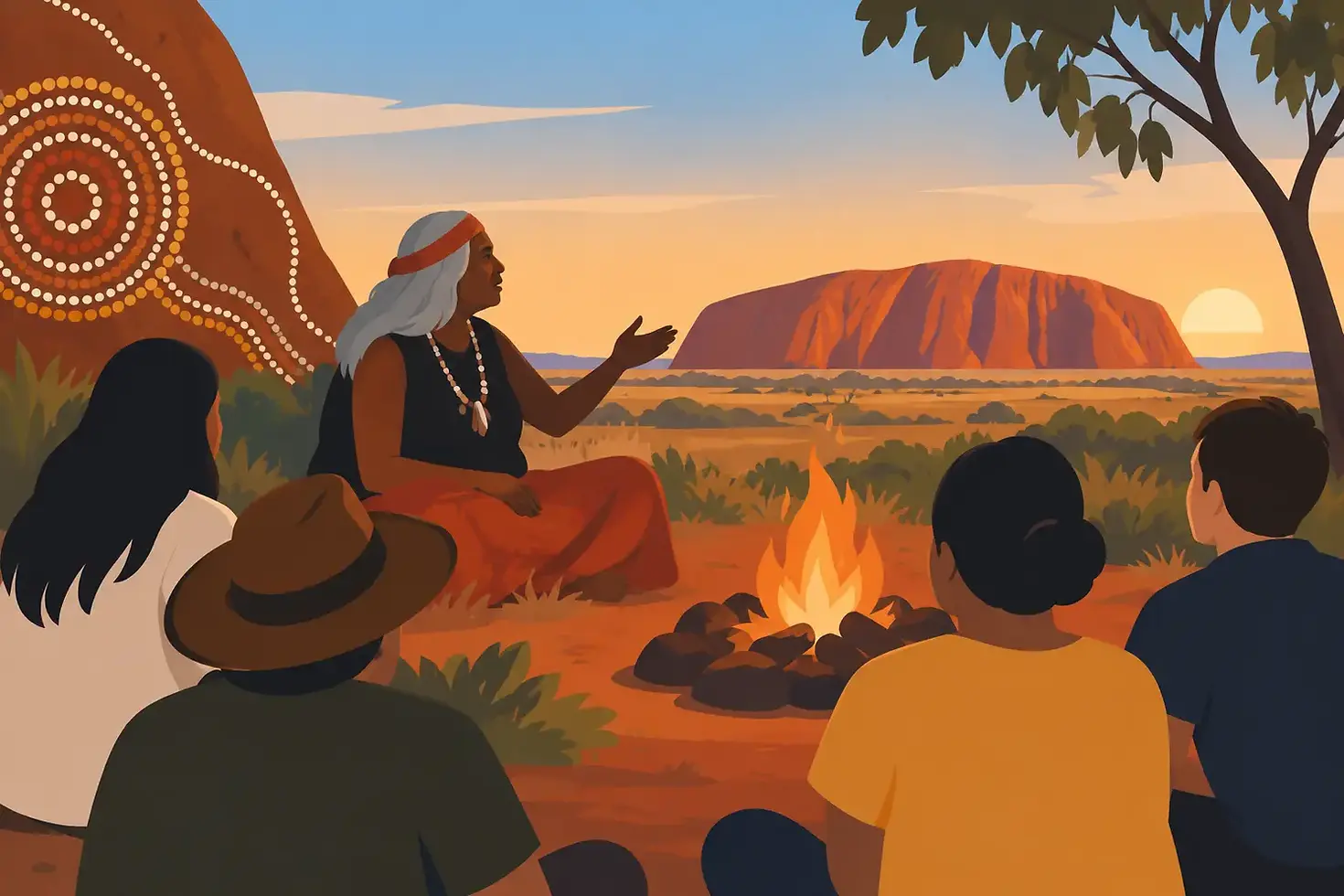
A child stepping forward to tell a story in language, a senior knowledge holder sharing a memory, families gathering around music and food - these are not small moments. Indigenous storytelling festivals in Australia create places where culture is lived, heard and carried forward. In remote communities, they can also give young people a powerful reason to be proud of who they are, where they come from and what they can contribute.
For supporters who want reconciliation to lead to practical benefit, storytelling festivals offer a meaningful example of culture and community development working together. Their value is not measured only by an audience or a program of events. It is found in the relationships built across generations, the confidence shown by young people, and the local capability that grows when communities lead the work.
Why storytelling belongs at the centre of community life
For Aboriginal and Torres Strait Islander peoples, stories carry knowledge, identity, family connections and responsibilities to Country. They may be shared through spoken word, song, dance, painting, film, language and time spent on Country. Not every story is for every audience, and the right to tell a story remains with its custodians.
That distinction matters. A respectful festival is not a public display of culture arranged for visitors. It is a community-led gathering where local people decide what is shared, how it is shared and who should lead it. Visitors and partners can be welcomed into that space, but they do not direct it.
When this approach is honoured, a festival can support several outcomes at once. Children and young people see Elders and family members recognised for their knowledge. They can practise speaking, performing, organising and working alongside others. Community members have a reason to come together in a positive setting. Language, stories and cultural practices are given time, attention and respect.
In places where distance, limited services and fewer opportunities can place real pressure on families, these experiences matter. They reinforce connection at the same time as they build skills that young people can carry into school, work and community leadership.
What makes Indigenous storytelling festivals in Australia meaningful
The strongest festivals begin long before the first performance or community meal. They begin with listening. Local Elders, families, artists, young people and community organisations identify the purpose of the event and shape its direction. That process can take time, particularly where several families, language groups or outstations are involved. It should.
A well-supported event may include storytelling sessions, cultural activities, music, art, sport, shared meals and opportunities for young people to take on practical roles. One young person might help welcome guests; another may assist with sound, photography, food preparation or setting up activities. These jobs can appear simple, yet they build confidence, responsibility and a sense of belonging.
There is also room for contemporary expression. Stories are not fixed in the past. Young people may choose to share their ideas through short films, digital media, music or performance, while remaining connected to the cultural guidance of their families and Elders. The form depends on the community. The principle is that culture remains in local hands.
Cultural authority is non-negotiable
A festival cannot be respectful if cultural decisions are made by outside organisers. Communities need the freedom to say yes, no, or not yet. Some knowledge may be private, gender-specific, seasonal or unsuitable for photography and recording. Clear consent processes, appropriate payments for cultural knowledge and transparent expectations protect both people and stories.
This can mean an event looks different from a mainstream festival. Programs may change. A session may be closed to visitors. Photography may be restricted. These are not obstacles to work around. They are signs that cultural authority is being respected.
Practical foundations make participation possible
Culture thrives when people can take part safely and comfortably. In remote areas, that can require transport from outstations, food, shade, equipment, communication support and reliable coordination. The cost of bringing people together can be significant, but it is central to inclusion.
A festival that provides meals, safe spaces for children and practical support for families is more likely to be accessible to the people it is designed to serve. It also creates a setting where conversation, connection and wellbeing can grow naturally.
From a festival day to lasting opportunity
The most valuable outcomes often happen before and after the event. Planning offers young people a chance to contribute ideas, learn how budgets and schedules work, and see what it takes to bring a project to life. Afterwards, they can reflect on what went well and what their community wants to create next.
This is why one-off events should not be treated as a complete solution. A single celebration can be memorable, but ongoing relationships make it more likely that confidence and skills will continue to grow. Where possible, festivals should connect with school engagement, youth activities, local arts programs, nutrition initiatives and pathways to training or employment.
Watarrka Foundation sees shared experiences as an important part of strengthening connection and opportunity for young people in the remote communities around Watarrka National Park. Storytelling, sport, learning and time together can all help create the conditions for young people to participate, lead and imagine a future on their ancestral lands.
The impact may not always fit neatly into a spreadsheet. A young person who agrees to perform for the first time, reconnects with school after an event, or takes pride in helping a younger child is showing progress that matters. At the same time, partners should be clear about what they are supporting: local jobs and supplier payments where possible, transport, equipment, food, youth participation, cultural leadership and follow-up activities.
How supporters can contribute with respect
For donors, businesses and philanthropic partners, the best contribution is not to arrive with a fixed idea of what a festival should be. It is to support communities with flexible, reliable resources and allow local priorities to lead.
Multi-year funding is particularly valuable. It gives organisers room to plan, consult properly and build on what has worked in previous years. It can help cover the less visible but essential costs, including coordination, fuel, food, child safety measures, insurance, equipment and wages for local workers.
Corporate partners can also offer practical assistance when it responds to a community-identified need. This might involve in-kind materials, staff skills, transport support or help with event infrastructure. The offer should be made humbly and without placing extra pressure on local organisers to accommodate a partner’s promotional goals.
Supporters should be cautious about expectations around photos, stories and public recognition. Consent is ongoing, not a box to tick. Community members should know how material will be used, have the ability to decline, and be respected if they change their mind. The best partnerships understand that dignity comes before content.
Questions worth asking before backing a festival
Before committing funding or resources, ask who has cultural authority for the event and how decisions will be made. Ask how young people will be involved beyond simply attending. Ask whether local people will be paid for their time, knowledge and work. Ask what practical barriers might prevent families from participating, and how the program will continue after the gathering ends.
These questions are not about adding unnecessary administration. They help ensure resources strengthen local leadership rather than creating a short-lived experience shaped from outside the community.
Indigenous storytelling festivals can bring joy, pride and connection into a shared space. When communities hold the stories, young people have genuine roles, and supporters provide dependable practical backing, a festival becomes more than a date on the calendar. It becomes a place where culture is carried forward with confidence.


Comments